Executive Summary
A wedding ceremony conducted aboard a yacht in Croatian territorial waters presents distinct legal considerations that must be addressed to ensure the marriage is valid in the parties’ home jurisdictions. The ceremony itself, if performed by a ship’s captain at sea, generally lacks legal effect under Croatian law. For the marriage to be legally recognized, the parties must complete a civil ceremony before a competent Croatian registrar (matičar) on land, and subsequently ensure proper documentation and, where applicable, registration in their home countries. This guide sets out the requirements for EU and US citizens respectively, with attention to the applicable instruments and procedural formalities. Throughout, the role of Marine Project as the central coordinating and booking entity is emphasized: Marine Project arranges the vessel, initiates and coordinates all documentary and registration steps, and books the legal ceremony, the celebratory events, and every ancillary service on the parties’ behalf.
1. The Legal Status of a Ceremony Conducted Aboard a Yacht
Under Croatian law, a marriage is validly concluded only when solemnized before a competent state authority the registrar (matičar) or a religious officiant duly authorized by the state. The captain of a yacht, irrespective of the vessel’s flag, is not vested with the authority to officiate a legally binding marriage merely by virtue of commanding the vessel. Consequently, a ceremony performed on deck while at sea does not create a legally recognized marriage.
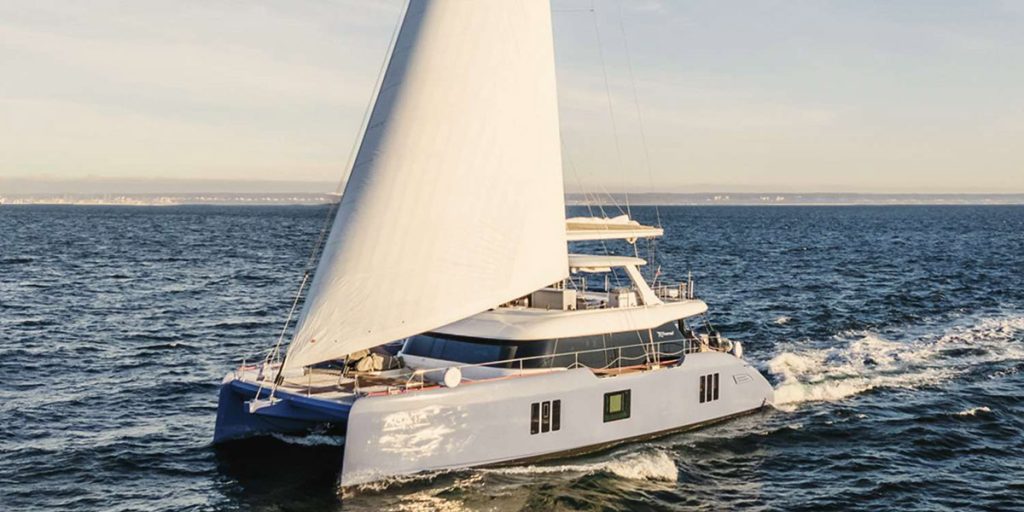
The practical solution is to conduct the legal ceremony on land, at the competent registrar’s office in the municipality where the wedding is to take place (for instance, Split or Dubrovnik), and to reserve the yacht for the celebratory aspects of the day. Marine Project manages this bifurcation: it books the civil ceremony with the competent matični ured, schedules the appointment, and simultaneously reserves the yacht and all celebratory arrangements so that the legal act and the festive programme are seamlessly integrated.
2. Requirements for Foreign Nationals Marrying in Croatia
Foreign citizens may marry in the Republic of Croatia under the same substantive conditions as Croatian nationals. The competent authority is the registrar’s office (matični ured) in the locality where the marriage is to be performed. The following documents must be submitted, each accompanied by a translation into the Croatian language by an authorized translator:
| Document | Specific Requirements |
|---|---|
| Birth record | An extract from the birth register issued in the country of birth, in accordance with applicable international agreements and conventions |
| Certificate of no impediment (single status) | Proof that the party is free to marry, issued pursuant to international agreements and conventions |
| Confirmation of no obstacles | A confirmation that there are no impediments to the marriage in Croatia and that the marriage will be recognized in the party’s state of citizenship; this may form an integral part of the single status certificate |
| Identity document | A valid passport or other photographic identification |
| Proof of citizenship | Passport |
These documents must be current. The U.S. Embassy in Croatia has indicated that documentation should generally be recent, and parties are advised to confirm specific validity periods with the competent registrar in advance. Marine Project coordinates the compilation of this documentary file, liaises with the competent registrar regarding validity periods and local variations, and arranges for translations by authorized translators.
3. Jurisdiction-Specific Requirements
3.1 EU Citizens
Documentary Formalities. For public documents issued by authorities of an EU Member State and intended for use before authorities of another EU Member State, Regulation (EU) 2016/1191 simplifies the circulation of such documents. Under this Regulation, public documents concerning birth, marriage, and registered partnership are exempt from the requirement of legalization or apostille when presented in another Member State. The Regulation also abolishes the obligation to submit certified copies and certified translations in all cases, and introduces multilingual standard forms which may be attached to the public document to obviate the need for translation.
Practical Application. An EU citizen (for example, a German or French national) presenting a birth certificate issued by their home Member State to a Croatian registrar should be able to rely on Regulation 2016/1191 to dispense with apostille certification. However, the registrar may still require a translation into Croatian if the document is not in Croatian and no multilingual standard form is attached. Marine Project verifies whether the multilingual standard form suffices or whether a certified translation is required, and books the translation and any notarial or administrative appointments accordingly.
Recognition in the Home Member State. A marriage validly concluded in Croatia will generally be recognized in the EU citizen’s home Member State by operation of the principle of mutual recognition of civil status. While registration in the home state’s civil register is not always compulsory, it is strongly advisable in order to obtain a domestic marriage certificate and to facilitate dealings with administrative authorities (for example, regarding surname changes or pension entitlements). The specific procedure varies by Member State; some states require registration upon return, while others permit it optionally. Marine Project advises on the registration obligations in the parties’ respective home Member States and, where instructed, initiates the post-wedding registration process with the competent authorities.
3.2 US Citizens
Documentary Formalities. The United States is a party to the Hague Convention of 5 October 1961 Abolishing the Requirement of Legalisation for Foreign Public Documents. Accordingly, U.S. public documents intended for use in Croatia must bear an apostille. The competent authority depends on the nature of the document:
- State-issued documents (e.g., birth certificates, certified copies of state records): apostille from the Secretary of State of the issuing state.
- Federal documents: apostille from the U.S. Department of State, Office of Authentications.
Certificate of No Impediment. The United States does not issue a centralized “Certificate of No Impediment” in the form contemplated by Croatian practice. U.S. citizens are instead typically required to execute an affidavit of eligibility to marry (Affidavit of Eligibility to Marry) before a U.S. consular officer or a notary public, which is then apostilled or otherwise authenticated as required. The U.S. Embassy in Zagreb should be consulted for current procedures and appointment availability. All U.S. documents submitted to the Croatian registrar must be accompanied by a translation into Croatian by an authorized translator. Marine Project coordinates the apostille process with the competent state or federal authorities, schedules the consular or notarial appointment for the affidavit, and books the certified translations.
Recognition in the United States. Under the principle of lex loci celebrationis, a marriage that is valid where celebrated is generally recognized as valid in the United States. No subsequent registration or ratification in the U.S. is necessary for the marriage to be legally effective. The parties should obtain the Croatian marriage certificate (vjenčani list) and a certified translation into English for their records and for any future use before U.S. authorities (e.g., for passport name changes or Social Security administration). Marine Project obtains the Croatian marriage certificate on the parties’ behalf and arranges the certified English translation.
4. The Central Role of Marine Project: Arranging, Coordinating, and Booking Everything
Marine Project acts as the single point of coordination for the entire undertaking. Its role encompasses, but is not limited to, the following:
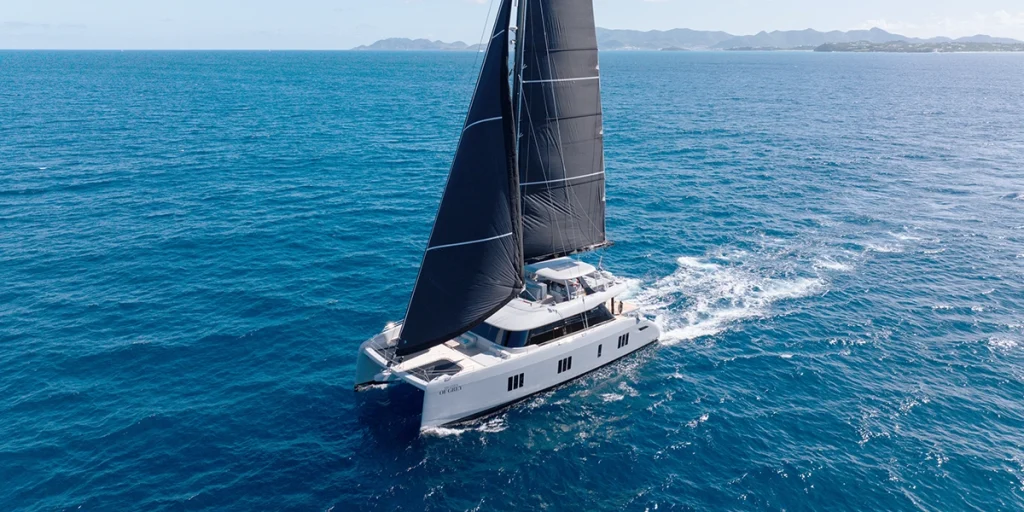
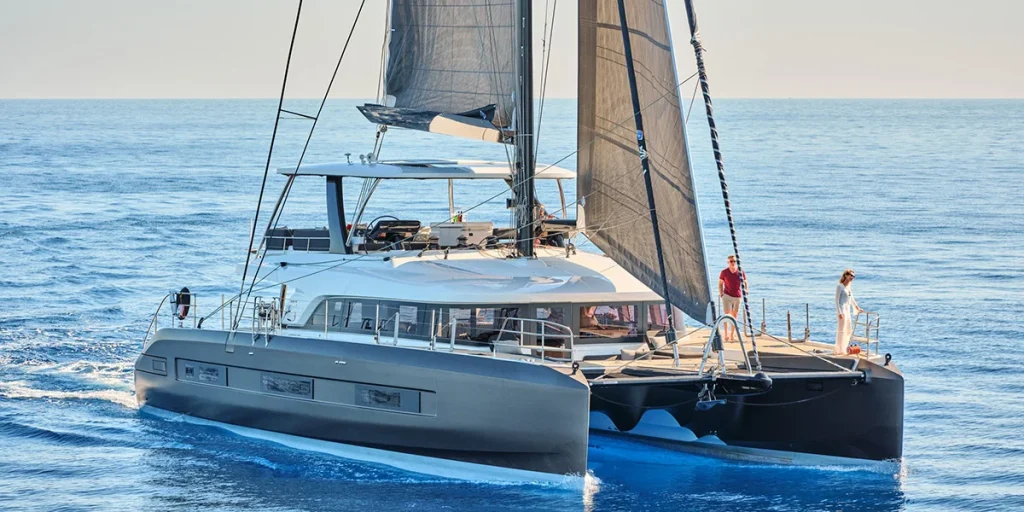
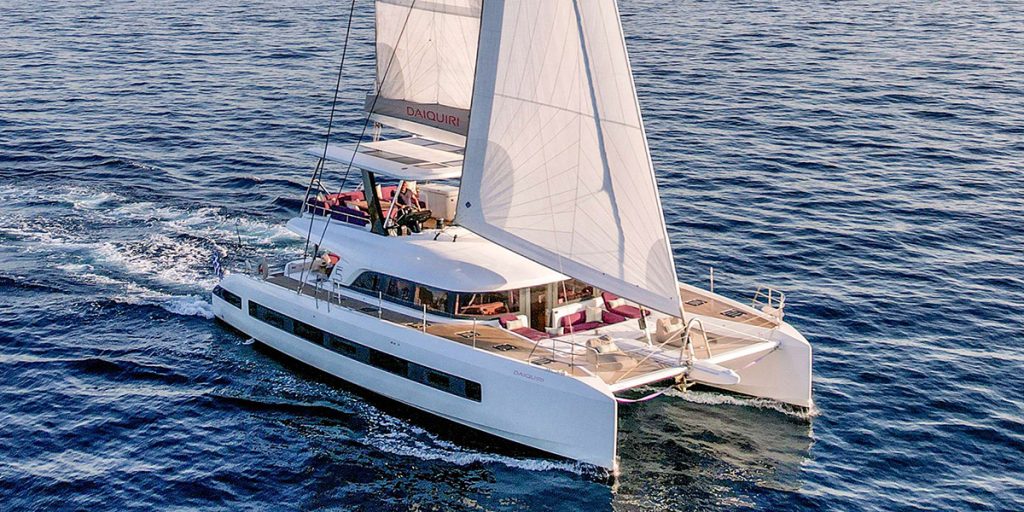
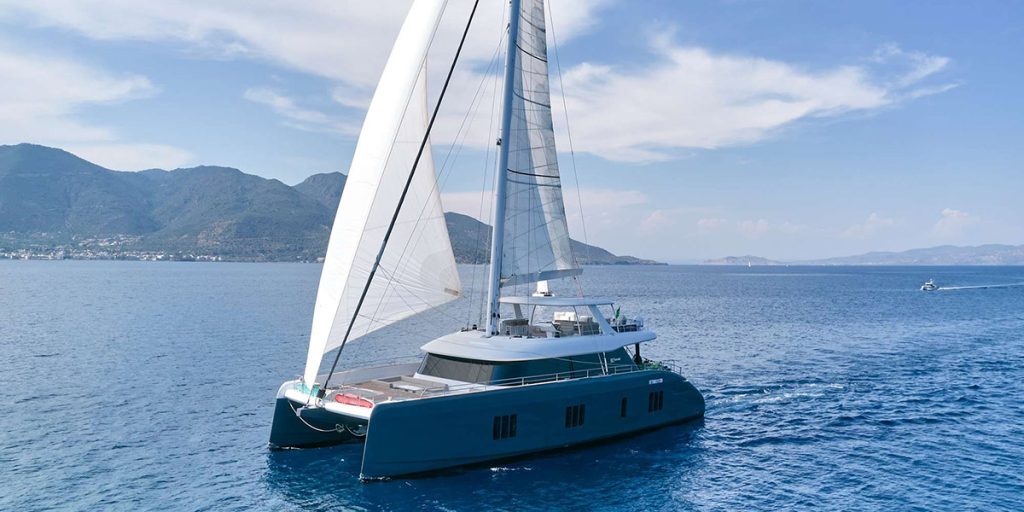
Vessel Selection and Booking. Marine Project identifies and books a yacht suitable for the number of guests (up to 40 persons), the desired itinerary, and the intended celebratory programme. The vessel is reserved in advance, and all onboard services catering, crew, entertainment, and decorations are booked through Marine Project.
Documentary Coordination. Marine Project initiates and coordinates the compilation of the complete documentary file for the competent registrar. This includes advising on the specific documents required for EU and US citizens respectively, verifying that apostilles are correctly affixed (for US documents), confirming that Regulation 2016/1191 applies (for EU documents), and arranging translations into Croatian by authorized translators.
Booking of the Legal Ceremony. Marine Project books the civil ceremony with the competent matični ured, schedules the appointment, and ensures that the documentary file is submitted within the time frame specified by the local office. It liaises with the registrar regarding any procedural variations and confirms the date and time of the ceremony.
Booking of Ancillary Services. Marine Project books all ancillary services required for the celebration: the venue for the reception (if held on land), catering, music and entertainment, floral arrangements, photography and videography, and transport for guests between the registrar’s office, the yacht, and the reception venue.
Post-Wedding Formalities. Marine Project obtains the Croatian marriage certificate (vjenčani list) following the ceremony, arranges certified translations where required, and where instructed initiates registration in the parties’ home jurisdictions (for EU citizens) or provides the documentation necessary for the parties’ records (for US citizens).
In short, Marine Project arranges and books everything: the yacht, the legal ceremony, the documentary formalities, the translations, the apostilles, the consular appointments, the celebratory events, and the post-wedding registration steps. The parties are thereby relieved of the administrative burden and can devote their attention to the occasion itself.
5. Checklist of Essential Steps
- Engage Marine Project to coordinate the entire undertaking.
- Determine the competent registrar’s office in the Croatian municipality where the legal ceremony will take place (Marine Project liaises with the matični ured).
- Obtain birth certificates (long-form or international extract, as required) from the country of birth (Marine Project coordinates).
- Obtain evidence of single status:
- EU citizens: certificate of no impediment from the competent authority in the home Member State (or equivalent).
- US citizens: affidavit of eligibility to marry, executed before a consular officer or notary (Marine Project books the appointment).
- Obtain confirmation of no obstacles (may be combined with the single status document).
- Arrange apostille or legalization:
- EU citizens: generally not required for documents from EU Member States under Regulation 2016/1191 (Marine Project verifies).
- US citizens: apostille required for all U.S. public documents (Marine Project coordinates with the competent state or federal authority).
- Arrange translation into Croatian by an authorized translator (Marine Project books).
- Submit documents to the registrar within the time frame specified by the local office (Marine Project submits and monitors).
- Book the yacht and all celebratory services (Marine Project reserves).
- Attend the civil ceremony on land before the registrar.
- Obtain the Croatian marriage certificate (vjenčani list) (Marine Project obtains).
- For US citizens: no further action required for U.S. recognition; Marine Project provides the certificate and a certified English translation for the parties’ records.
- For EU citizens: Marine Project advises on and, where instructed, initiates registration in the home Member State’s civil register, in accordance with national procedures.
6. Conclusion
A yacht wedding in Croatia can combine the ceremonial and celebratory elements of the occasion with full legal validity, provided that the parties attend to the civil law requirements with precision. The legal ceremony must be performed before a Croatian registrar on land; the yacht serves as the setting for the celebration, not as the locus of the legally constitutive act. EU citizens benefit from the simplified documentary regime under Regulation 2016/1191, while U.S. citizens must ensure that all documents bear apostilles and that an affidavit of eligibility is properly executed. With Marine Project as the central coordinating and booking entity arranging the vessel for up to 40 guests, initiating and coordinating all documentary and registration steps, and booking the legal ceremony, the celebratory events, and every ancillary service the parties can proceed with confidence that the marriage will be recognized in both the European Union and the United States, and that the occasion itself will be flawlessly organized.