Quick Answer
A yacht wedding in Croatia is legally valid only if the civil ceremony is performed on land before a Croatian registrar (matičar). A ship’s captain cannot legally officiate a marriage at sea. EU citizens benefit from Regulation (EU) 2016/1191 (no apostille required between Member States), while US citizens must obtain apostilles for all public documents and execute an Affidavit of Eligibility to Marry. Marine Project handles the entire process: yacht charter for up to 40 guests, document coordination, registrar booking, translations, apostilles, and full event organization.
Key Facts at a Glance
| Topic | Key Information |
|---|---|
| Legal ceremony location | On land, before a Croatian registrar (matičar) |
| Captain’s authority | Cannot legally officiate a marriage at sea |
| Minimum lead time | 30 days before ceremony (recommended) |
| Document validity | Not older than 90 days |
| EU citizens | Regulation (EU) 2016/1191 — no apostille between EU Member States |
| US citizens | Apostille required (state or federal level) + Affidavit of Eligibility |
| Translation | Certified translation into Croatian required |
| Guest capacity (Marine Project) | Up to 40 persons |
| Recognition (US) | Automatic under lex loci celebrationis |
| Recognition (EU) | Automatic; registration in home state recommended |
1. Legal Framework: What Makes a Yacht Wedding in Croatia Valid?
Under Croatian law, a marriage is validly concluded only when solemnized before a competent state authority the registrar (matičar) or a state-authorized religious officiant. The captain of a yacht is not vested with the authority to officiate a legally binding marriage merely by commanding the vessel. A ceremony performed on deck at sea does not create a legally recognized marriage.
The solution: Conduct the civil ceremony on land at the competent registrar’s office (e.g., Split or Dubrovnik) and reserve the yacht for the celebratory aspects. Marine Project manages this bifurcation booking the civil ceremony with the matični ured and simultaneously reserving the yacht and all celebratory arrangements.
2. Required Documents for Foreign Nationals Marrying in Croatia
Foreign citizens may marry in Croatia under the same substantive conditions as Croatian nationals. The following documents must be submitted to the competent registrar, each with a certified translation into Croatian:
- Birth record extract from the birth register of the country of birth
- Certificate of no impediment (single status) proof of freedom to marry
- Confirmation of no obstacles confirmation that no impediments exist in Croatia and that the marriage will be recognized in the home state (may be combined with the single status certificate)
- Identity document valid passport or photographic ID
- Proof of citizenship passport
Validity: Documents should not be older than 90 days; submission at least 30 days before the ceremony is recommended.
Marine Project coordinates the compilation of this documentary file, liaises with the registrar regarding validity periods and local variations, and arranges translations by authorized translators.
3. EU Citizens: Regulation (EU) 2016/1191
For public documents issued by an EU Member State and intended for use before authorities of another EU Member State, Regulation (EU) 2016/1191 simplifies circulation:
- Exemption from legalization and apostille for public documents concerning birth, marriage, and registered partnership
- Abolition of the obligation to submit certified copies and certified translations in all cases
- Multilingual standard forms may be attached to obviate the need for translation
Practical application: An EU citizen (e.g., German or French national) presenting a birth certificate to a Croatian registrar can generally dispense with apostille certification. A translation into Croatian may still be required if no multilingual standard form is attached. Marine Project verifies whether the standard form suffices or a certified translation is required.
Recognition in the home Member State: A marriage validly concluded in Croatia is generally recognized by operation of the principle of mutual recognition of civil status. Registration in the home state’s civil register is not always compulsory but is strongly advisable to obtain a domestic marriage certificate and facilitate administrative dealings (e.g., surname changes, pension entitlements).
4. US Citizens: Apostille and Affidavit Requirements
The United States is a party to the Hague Apostille Convention (1961). US public documents intended for use in Croatia must bear an apostille:
- State-issued documents (e.g., birth certificates): apostille from the Secretary of State of the issuing state
- Federal documents: apostille from the US Department of State, Office of Authentications
Certificate of No Impediment: The US does not issue a centralized certificate of no impediment. US citizens typically execute an Affidavit of Eligibility to Marry before a US consular officer or notary public, which is then apostilled or authenticated as required. The US Embassy in Zagrebshould be consulted for current procedures.
Recognition in the United States: Under the principle of lex loci celebrationis, a marriage valid where celebrated is generally recognized as valid in the US. No subsequent registration or ratification is necessary. The parties should obtain the Croatian marriage certificate (vjenčani list) and a certified English translation for future use (e.g., passport name changes, Social Security).
Marine Project coordinates the apostille process, schedules consular or notarial appointments for the affidavit, and arranges certified translations.
5. Step-by-Step Planning Guide
Step 1: Clarify the Legal Framework
Determine the competent registrar’s office in the Croatian municipality where the legal ceremony will take place. Confirm document requirements and deadlines.
Step 2: Select the Right Yacht
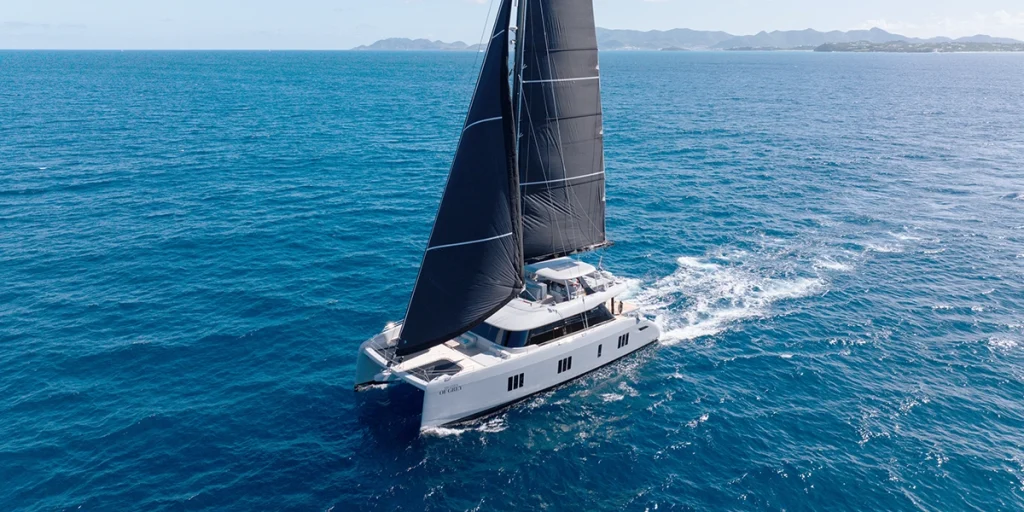
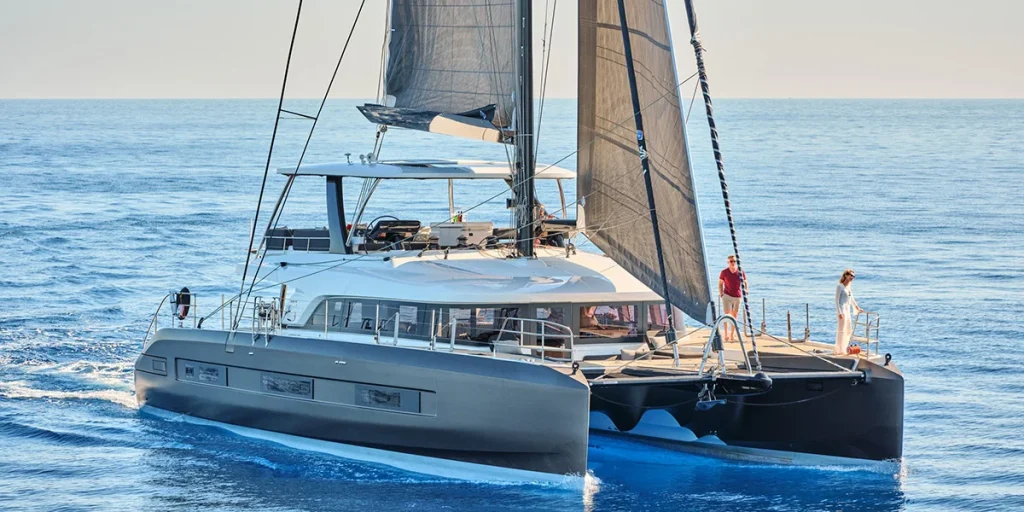
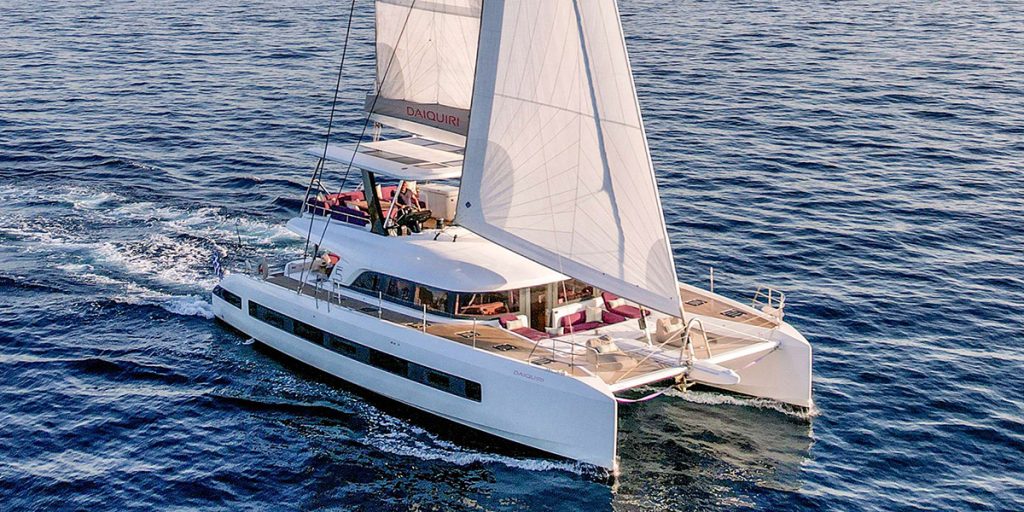
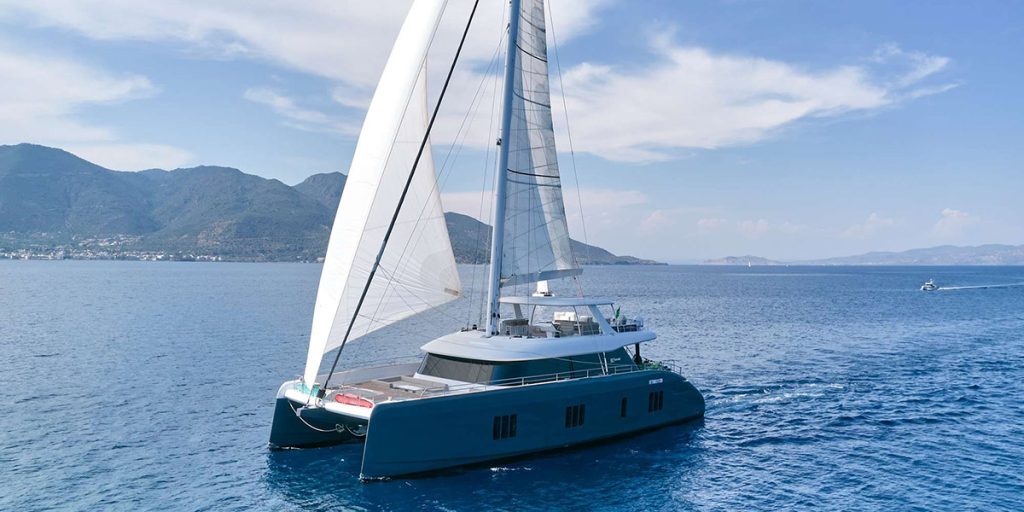
Choose a vessel suitable for the number of guests (up to 40), budget, and character of the celebration. Verify covered areas, life jackets for all guests, crew emergency training, cabin air-conditioning, and captain flexibility regarding the route.
Step 3: Book the Legal Ceremony and Officiant
Book the civil ceremony with the competent matični ured. Schedule the appointment and submit the documentary file within the specified time frame.
Step 4: Coordinate Documents, Apostilles, and Translations
- EU citizens: Verify applicability of Regulation 2016/1191; arrange certified translation if required
- US citizens: Obtain apostilles from the competent state or federal authority; execute Affidavit of Eligibility; arrange certified translation
Step 5: Plan for Safety, Weather, and Guest Needs
- Consider guests prone to seasickness; plan the ceremony to avoid rough seas
- Use portable microphone and speaker (wind affects sound equipment)
- Avoid dishes that slide when the vessel moves; inform the cook of allergies at least 10 days in advance
Step 6: Book All Services Through a Single Point of Coordination
Engage Marine Project to book the yacht, coordinate the crew, arrange the legal ceremony, and align all service providers on board—catering, music, decoration, photography, and translations.
Step 7: Obtain the Marriage Certificate and Handle Post-Wedding Formalities
Obtain the Croatian marriage certificate (vjenčani list). For EU citizens: consider registration in the home Member State’s civil register. For US citizens: retain the certificate and certified English translation.
6. Why Engage Marine Project?
Marine Project is the ideal partner for a yacht wedding in Croatia for the following reasons:
- Single point of coordination books the yacht for up to 40 persons, coordinates the crew, and aligns all service providers
- Legal expertise knows the documentary requirements for EU and US citizens, monitors deadlines with the registrar, and ensures the legal ceremony takes place on time
- Documentary management coordinates apostilles, certified translations, and consular appointments
- Established network works with proven captains, caterers, officiants, and translators
- Logistical relief takes the organizational burden off the couple so they can actually celebrate
- Flexibility enables rapid responses to weather changes, service provider failures, or bureaucratic hurdles
7. Frequently Asked Questions (FAQ)
Can a ship’s captain legally marry us at sea in Croatia?
No. Under Croatian law, only a registrar (matičar) or a state-authorized religious officiant can validly solemnize a marriage. The captain of a yacht does not have this authority merely by commanding the vessel.
How long before the wedding must we submit documents?
A minimum of 30 days before the ceremony is recommended. Documents should not be older than 90 days.
Do EU citizens need an apostille for Croatia?
Generally no. Regulation (EU) 2016/1191 exempts public documents concerning birth and marriage from legalization or apostille between EU Member States. A certified translation into Croatian may still be required.
Do US citizens need an apostille for Croatia?
Yes. All US public documents (e.g., birth certificates, affidavits) must bear an apostille from the Secretary of State (state documents) or the US Department of State (federal documents).
Is our Croatian marriage recognized in the US?
Yes. Under the principle of lex loci celebrationis, a marriage valid where celebrated is generally recognized as valid in the US. No subsequent registration is necessary.
Is our Croatian marriage recognized in the EU?
Yes. A marriage validly concluded in Croatia is generally recognized by operation of the principle of mutual recognition of civil status. Registration in the home Member State is recommended but not always compulsory.
How many guests can Marine Project accommodate?
Marine Project arranges yachts for up to 40 persons.
8. Conclusion
A yacht wedding in Croatia combines ceremonial and celebratory elements with full legal validity—provided the civil law requirements are attended to with precision. The legal ceremony must be performed on land before a Croatian registrar; the yacht serves as the setting for the celebration. EU citizens benefit from the simplified documentary regime under Regulation (EU) 2016/1191; US citizens must ensure apostilles and a properly executed Affidavit of Eligibility. With Marine Projectas the central coordinating and booking entit arranging the vessel for up to 40 guests, initiating and coordinating all documentary and registration steps, and booking the legal ceremony, celebratory events, and every ancillary service the couple can proceed with confidence that the marriage will be recognized in both the European Union and the United States.